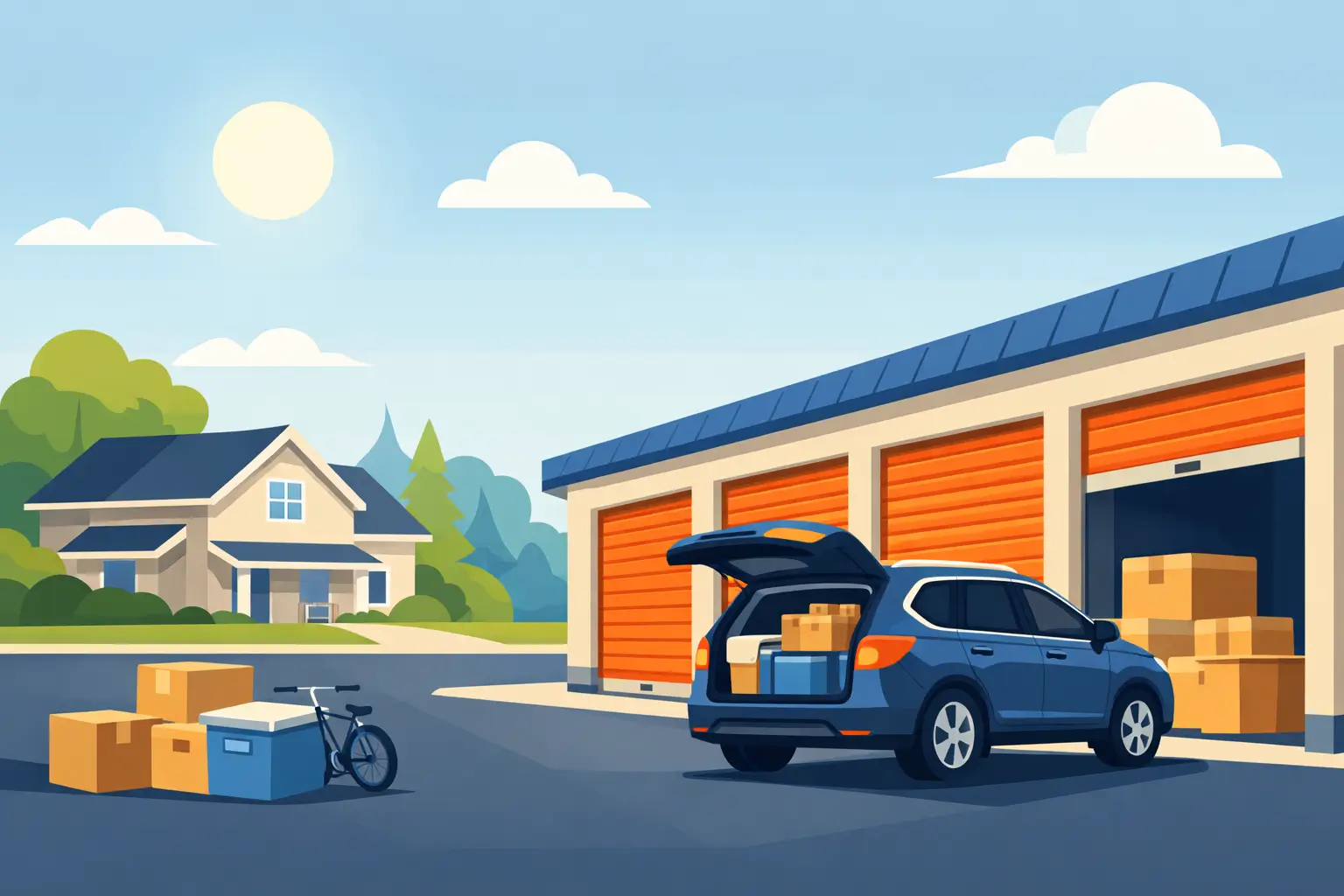
A storage unit should make a busy move, cleanup, or home project easier, not add another hard-to-manage task to your day. This drive up storage guide explains what makes drive-up access useful, how to prepare your belongings, and how to choose a unit that works for the way you actually need to use it.
For many Goldsboro-area households, the biggest advantage is simple: you can pull your vehicle right to the unit door. That means fewer long walks, less lifting around corners, and a much faster trip when you need to pick up a box, lawn equipment, or furniture.
A drive-up storage unit is located at ground level with a lane that allows you to park close to your door. Instead of carrying belongings through a building or waiting for an elevator, you open the unit, load or unload, lock up, and go.
That convenience matters when you are moving a household, clearing out a family home, making room for a renovation, or storing items you use throughout the year. It is also helpful when a friend or family member is lending a truck and you want to finish the job without wasting their afternoon.
Drive-up access is especially practical for heavier, awkward items. Think mattresses, dressers, tools, boxes of books, patio furniture, holiday decorations, and bins of kids' clothes. You still need to lift carefully, but parking nearby reduces the distance those items need to travel.
Before choosing a unit, consider how often you expect to visit it. If you are placing belongings in storage for a long-term move and may not return for months, almost any well-maintained unit can work if it is sized correctly. If you plan to stop by regularly for work supplies, seasonal equipment, or items from an ongoing project, drive-up access can save real time every visit.
It also helps to think about what you will store first and what you may need later. A unit packed wall to wall can hold a lot, but it can be frustrating if the item you need is at the very back. If regular access is part of your plan, leave a narrow center aisle and keep frequently used belongings near the door.
Drive-up storage may not be necessary for every situation. Someone storing only a few labeled boxes may be comfortable with a smaller indoor option. But when convenience, loading speed, or large household items are involved, the ability to park at the door is often worth prioritizing.
A common mistake is renting based only on the number of boxes you have today. Your storage need can grow quickly during a move or home cleanout. You may find another closet to empty, inherit furniture, or need a temporary place for items while floors are replaced.
Start by grouping your belongings into broad categories: furniture, appliances, boxed household goods, seasonal items, and equipment. Measure large pieces such as sofas, bed frames, dining tables, and shelving. Then picture how they can stand upright or stack safely.
A small unit can be a good fit for boxes, totes, and a few small furnishings. A medium unit generally gives a household more room for furniture from several rooms. Larger units make more sense for a multi-room move, major renovation, or a combination of household belongings and equipment.
Do not rent more space than you can afford or need, but avoid selecting a unit so tight that you cannot close the door safely or reach important items. A little extra room for an aisle can make a meaningful difference. If you are unsure, ask a local storage manager about the types of items you plan to store. A quick conversation can prevent a difficult move-in day.
The best storage setup begins before the truck is loaded. Use sturdy boxes in consistent sizes when possible. They stack better than loose bags and make it easier to use vertical space without creating unstable piles.
Label each box on more than one side. Write a clear description, such as “Kitchen - serving dishes” or “Garage - extension cords,” rather than only writing “miscellaneous.” If several people are packing, agree on one labeling system before the first box is sealed.
Protect furniture with moving blankets, covers, or clean sheets. Disassemble bed frames, tables, and shelving when practical, and place screws or hardware in labeled bags taped securely to the matching item. Store mattresses and upholstered pieces upright when doing so is safe and stable, leaving them protected from dust and pressure.
Place heavier boxes on the floor and lighter boxes on top. Keep fragile items away from places where they can be bumped by furniture. Avoid storing anything wet, and do not put food, perishables, or items that could attract pests in the unit.
For belongings that need to stay in good condition over time, give them space away from the door and floor where possible. Plastic bins can be useful for seasonal decorations and garage items, while cardboard boxes are often easier to label and stack for everyday household goods. The right choice depends on the item, your budget, and how often you expect to open the container.
Load the truck in the order you want to unload the unit. Large furniture and heavy appliances should generally go in first so they end up at the back or along the sides of the storage space. Put boxes you may need soon closer to the door.
When you arrive, park close enough for easy loading without blocking the drive lane for others. Open the unit fully, check the floor area, and make a quick plan before carrying in the first item. It is much easier to rearrange a plan on paper than to move a heavy dresser twice.
Use a dolly or hand truck for stacked boxes and bulky items. Lift with your legs, get help with furniture, and do not rush because rain is coming or the truck rental clock is running. A few minutes spent placing items carefully helps protect both your belongings and the people moving them.
Once the unit is loaded, take a few photos of the layout and keep a simple inventory on your phone. You do not need a detailed spreadsheet for every item, although that can help with a large household move. A basic record of what is stored and where it sits will make future visits much easier.
Convenient access should be paired with practical security features. Look for a facility with fully enclosed fencing, gated entry, digital video surveillance, and regular maintenance. These features support a safer storage experience, though they do not replace your own care in choosing a strong lock and keeping your access information private.
Access hours matter, too. A unit is more useful when you can reach your belongings around your schedule, whether that means an early morning before work or a late evening after a move. Around-the-clock tenant access can be particularly helpful for families, military-connected households, and people managing a move around changing work hours.
At Goldsboro Self Storage, drive-up units at 150 Claridge Nursery Road are designed for quick loading and routine access, with 24/7 tenant access, gated entry, enclosed fencing, and video surveillance. Online rental and payment tools keep the process simple, while a responsive local manager is available when you need a real person to answer a question.
Bring your own lock unless the facility provides another arrangement, and confirm that it fits the unit door hardware. Keep the key or combination in a secure place that trusted household members can find if needed. Before leaving, tug the door after locking it to make sure it is fully secured.
Check your unit after severe weather, a major move, or a change in your plans. Regular visits give you a chance to confirm that your aisle is clear, boxes remain stable, and you still know where important belongings are located.
The right drive-up unit gives you room to handle change without turning every storage visit into a project. Pack with a plan, leave yourself access, and choose a clean local facility where getting in, loading up, and getting back to your day feels straightforward.